AI Movie Trailer Generator: How to Make a Trailer With AI
An AI movie trailer generator turns a script or concept into a cut trailer. Here's how it works in 2026, what makes a trailer land.
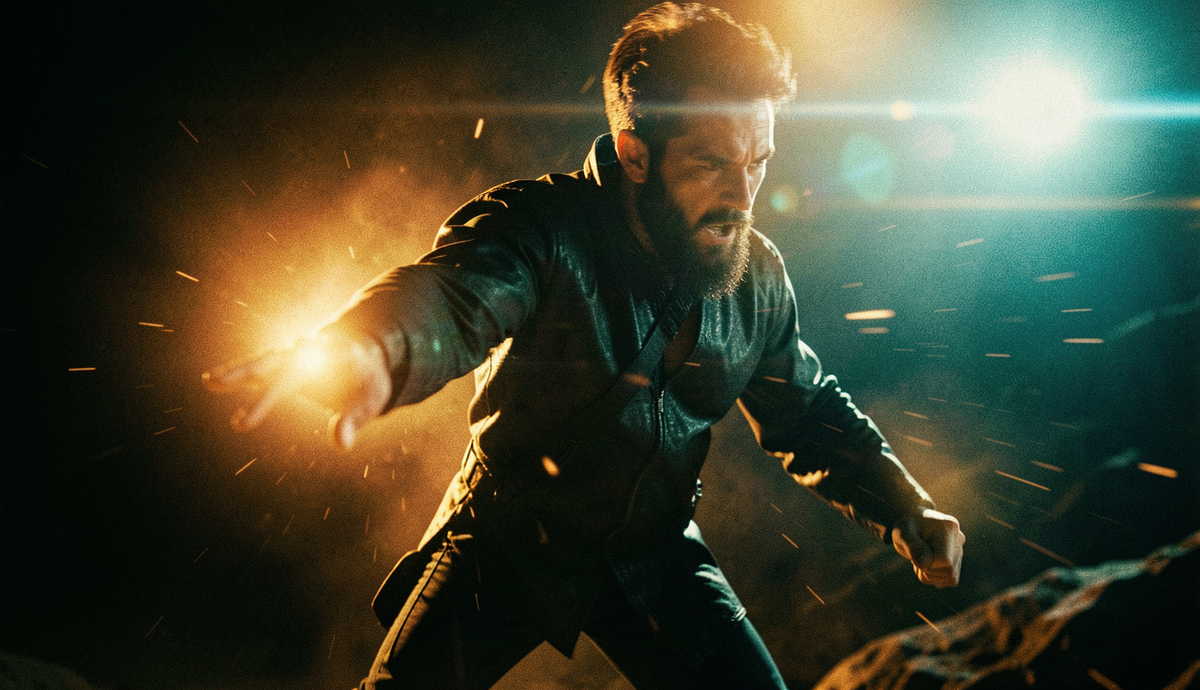
A trailer is its own art form. It's not a shorter version of a film — it's a persuasion machine, a 60-to-120-second sequence engineered to make someone want to watch. Making one has always required footage, an editor, and a feel for rhythm and reveal. AI movie trailer generators promise to compress that: describe or script your concept, get a cut trailer. In 2026 the tools are genuinely useful for this — with some important caveats about what actually makes a trailer work.
What is an AI movie trailer generator?
An AI movie trailer generator is software that produces a trailer — a short, edited, persuasive video sequence — from a text input like a script, treatment, or concept. Rather than editing existing footage, it generates the shots and assembles them into a trailer's characteristic rhythm: a hook, escalating beats, a title reveal.
These tools are especially useful for work that doesn't have footage yet — a pitch for a film that isn't shot, a concept a filmmaker wants to visualize, a spec trailer to sell an idea. Instead of a static deck describing the film, you get something a financier, showrunner, or audience can actually watch.
What makes a trailer work
Understanding this is what separates a good AI-generated trailer from a random montage. A trailer runs on a few principles: a hook in the first few seconds that establishes tone and stakes; escalation, where beats build in intensity and pace; rhythm, often cut to music, where the edit accelerates toward the climax; and a reveal — the title, the release, the payoff — that lands the whole thing. A trailer that ignores these is just a clip reel. One that follows them feels like a trailer even before you know what the film is.
The other non-negotiable is consistency. A trailer intercuts many shots fast, so if the protagonist's face changes between cuts or the visual style lurches, the whole thing falls apart — the rapid cutting that makes trailers exciting is exactly what exposes inconsistency. Holding characters and look steady across every shot matters more in a trailer than almost any other format.
How to make a trailer with AI
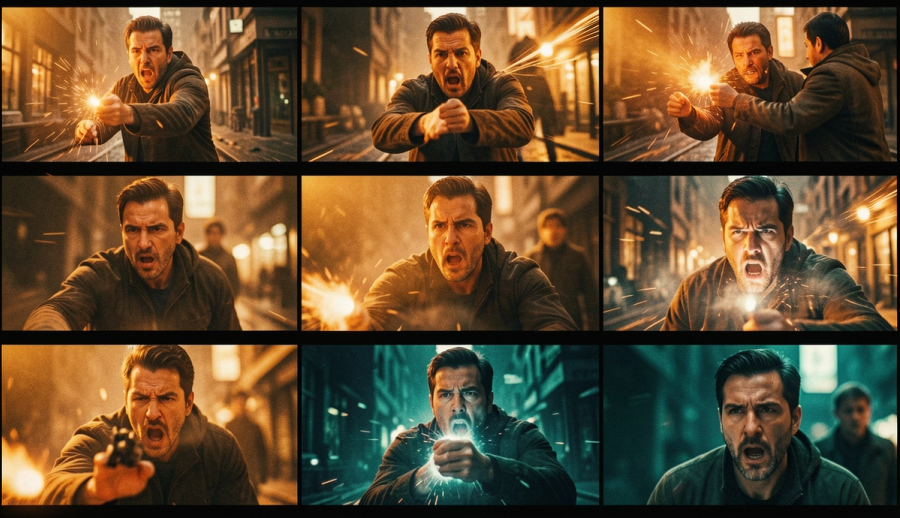
- Start from a concept or script. The stronger the input — a real script or a clear treatment — the more coherent the trailer. A tool that reads a full script can pull the most trailer-worthy beats from it.
- Identify the beats. Hook, rising action, climax, title. Whether you specify these or the tool infers them, a trailer needs structure, not just a pile of shots.
- Generate the shots consistently. Each shot is generated with characters and style held steady, so the fast intercutting reads as one film.
- Cut to rhythm. Assemble the beats into a trailer's accelerating rhythm, ideally against a music bed.
- Refine and export. Adjust individual shots, tighten the pacing, and export in the formats you need.
Where Induce fits
Induce is built for exactly the coherence a trailer demands. Because it reads a full script and holds characters and locations consistent across every shot via its continuity graph, the rapid intercutting of a trailer stays visually coherent — the protagonist is the same person in every fast cut. A virtual director of photography frames each shot to its emotional beat, and you keep director-grade control to punch up the hook or the title reveal. For a filmmaker cutting a pitch trailer or proof-of-concept, it turns a treatment into something a room can actually watch — on-brand and consistent, not a montage of lookalikes.
What is an AI movie trailer generator?
+Software that turns a script, treatment, or concept into a cut trailer — generating the shots and assembling them into a trailer's characteristic rhythm and structure.
Can AI make a movie trailer?
+Yes. AI tools can generate the shots and assemble a trailer, especially for concepts that don't have footage yet — pitch trailers, spec trailers, and proof-of-concept reels.
What makes an AI trailer good?
+Structure (a hook, escalation, and a reveal), rhythm cut to music, and above all consistency — characters and style holding steady across the fast intercutting that defines a trailer.
Can I make a trailer for a film I haven't shot?
+Yes — that's a core use case. A script-first tool can generate a trailer from a treatment or screenplay before any footage exists, which is ideal for pitching.
Do I own the trailer I make?
+Yes, Induce grants full commercial rights on every tier
Related posts

What Is a Synopsis? How to Write One That Works
A synopsis is not a summary — it is a sales document that proves your story works. Here is what it must include and how to write one that gets read.
By Ranga Nikhilesh

What Is a Smash Cut? Definition & Examples
A smash cut is an abrupt edit that cuts mid-action to a completely different scene for deliberate effect. Here is how it works and the best examples.
By Ranga Nikhilesh

What Is a Foil in Literature? Definition & Examples
A foil is a character who contrasts with another to reveal qualities neither could show alone. Here is the definition, how it works, and the best examples.
By Ranga Nikhilesh