AI Storyboard Generator: How to Go From Script to Storyboard
An AI storyboard generator turns a script into visual shot-by-shot boards. Here's how it works in 2026, what separates a real breakdown from random frames
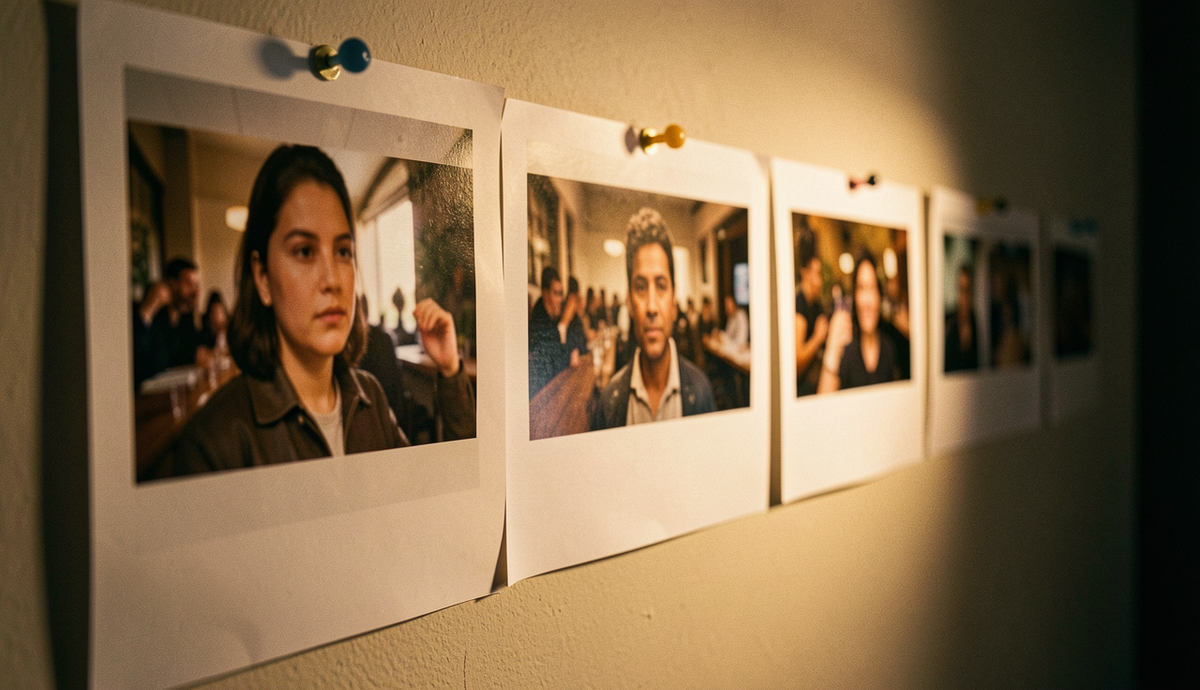
A storyboard is the bridge between a script and a shoot — a shot-by-shot visual plan that lets a director, crew, or client see a sequence before a frame is captured. Traditionally it's slow, manual work: an artist sketches each shot by hand from the script. An AI storyboard generator collapses that into minutes, turning written scenes into visual boards automatically. But like most AI creative tools, the useful ones and the toy ones are worlds apart. Here's how the category actually works.
What is an AI storyboard generator?
An AI storyboard generator is software that creates storyboard frames — the individual panels representing each shot — from a text input, usually a script or scene description. Instead of an artist drawing every panel, the tool generates visual frames that represent the shots in a sequence, complete with framing, composition, and often camera and blocking notes.
The best ones don't just make pretty images. They break down the script the way a director would — identifying each distinct shot within a scene, assigning it a framing (wide, medium, close), and producing a panel that represents it — so the output is a genuine shot plan you can shoot from, not a mood board.
Why storyboards matter (and why AI helps)
Storyboards do real production work. They let a director test coverage and pacing before committing a shoot day. They align a crew and a client around a shared visual plan, so everyone walks onto set knowing the shots. And they surface problems — a sequence that doesn't cut together, a missing establishing shot — while they're still cheap to fix, on paper rather than on location.
The catch has always been cost and speed. A hand-drawn board for a full sequence takes an artist hours or days, which is why storyboarding is often skipped on smaller productions that would benefit from it most. An AI storyboard generator removes that barrier: the whole sequence, boarded in minutes, cheaply enough that previsualizing becomes the default rather than a luxury.
From script to storyboard, step by step
A capable AI storyboard workflow mirrors how a human would break a script down:
- Ingest the script. The tool reads the screenplay — ideally in standard formats like Final Draft, Fountain, or PDF — and parses its structure: scenes, characters, action, dialogue.
- Break scenes into shots. Within each scene, it identifies the distinct shots — an establishing wide, a two-shot of the dialogue, a close-up on the reaction — the way a director planning coverage would.
- Generate a panel per shot. Each shot becomes a visual frame with appropriate framing and composition, representing what the camera sees.
- Keep it consistent. In the good tools, the same character looks the same across every panel, and the location holds — so the board reads as one coherent sequence, not disconnected images.
- Refine and export. Adjust framing or regenerate individual panels, then export the board.
What separates a real tool from a toy
Two things.
Shot logic — does the tool actually break a scene into sensible coverage, or just generate one image per scene? A real storyboard has multiple shots per scene; a toy gives you a single frame and calls it done. And consistency — do your characters and locations stay the same across panels? A storyboard where the protagonist's face changes every frame is useless as a plan, because the whole point is to represent your film, coherently.
Where Induce fits
Induce approaches storyboarding as a natural output of reading a script properly. Upload a screenplay and Induce breaks it into scenes and then individual shots — the same breakdown a director does when planning coverage — and builds a continuity graph that holds each character and location consistent across every panel. Because it understands the shots, not just the scenes, you get a genuine shot-by-shot board rather than one image per scene. And Induce doesn't stop at the board: the same breakdown that produces your storyboard flows straight into generating the actual shots, so your storyboard and your film come from a single source of truth — no re-planning between previz and production.
What is an AI storyboard generator?
+Software that turns a script or description into storyboard panels — visual frames representing each shot — automatically, replacing the slow manual work of drawing boards by hand.
Can AI storyboard from a script?
+Yes. The better tools ingest a full screenplay, break each scene into individual shots, and generate a panel per shot, keeping characters and locations consistent across the board.
Is there a free AI storyboard generator?
+Several tools offer free tiers or trials. Induce, for example, offers a free beta with full commercial rights, so you can board a script before any spend.
How is an AI storyboard different from just generating images?
+A storyboard has shot logic — multiple, sequenced shots per scene with consistent characters — not one standalone image per scene. That coherence is what makes it a usable plan.
Can I use the storyboard to make the actual film?
+With a script-first tool like Induce, yes — the same breakdown that produces the board feeds shot generation, so your storyboard becomes your film without re-planning.