What Is a Dutch Angle? Definition, Examples & When to Use It
What is a Dutch angle? A complete guide to the canted camera technique — how it works, why directors use it and famous examples.
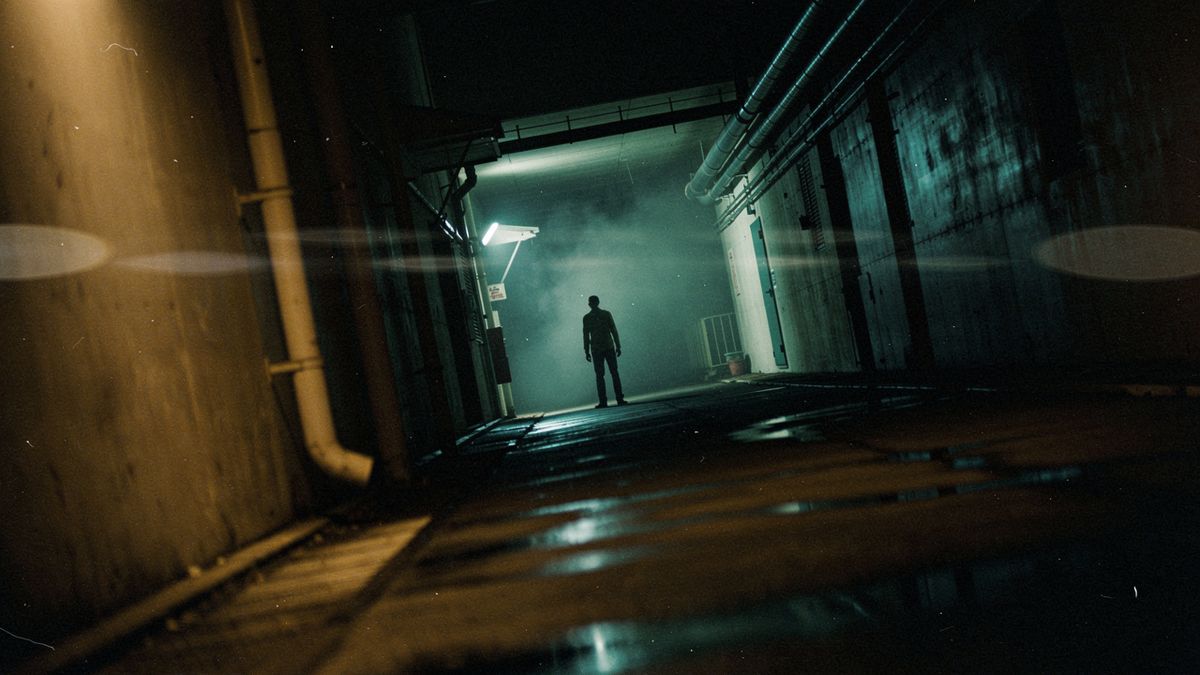
A Dutch angle is a camera shot in which the camera is tilted sideways on its axis, so the horizon line is diagonal rather than level in the frame. Instead of the world sitting flat and stable, everything leans — walls, floors, the horizon itself — creating a sense of unease, disorientation, or psychological tension. It's one of the most recognizable and deliberately expressive camera techniques in film, and one of the most easily misused.
This guide covers what a Dutch angle actually is, where the name comes from, how it works, when to use it, and when to leave it alone.
The precise definition
A Dutch angle — also called a Dutch tilt or canted angle — is achieved by rotating the camera along the axis that runs directly through the lens, so the camera's horizontal axis no longer aligns with the horizon. The image is not simply turned upside down or pointed at an angle; it's rotated, so what should be horizontal becomes diagonal. Characters and objects within the frame stay right-side up, but the world around them is tilted.
The degree of tilt matters. A subtle Dutch angle — just a few degrees off level — creates a quiet unease the audience may not consciously notice. An extreme Dutch angle — fifteen, twenty, or more degrees — is unmistakably expressive, signaling to the audience that something is deeply wrong with the world the character inhabits.
Where the name comes from
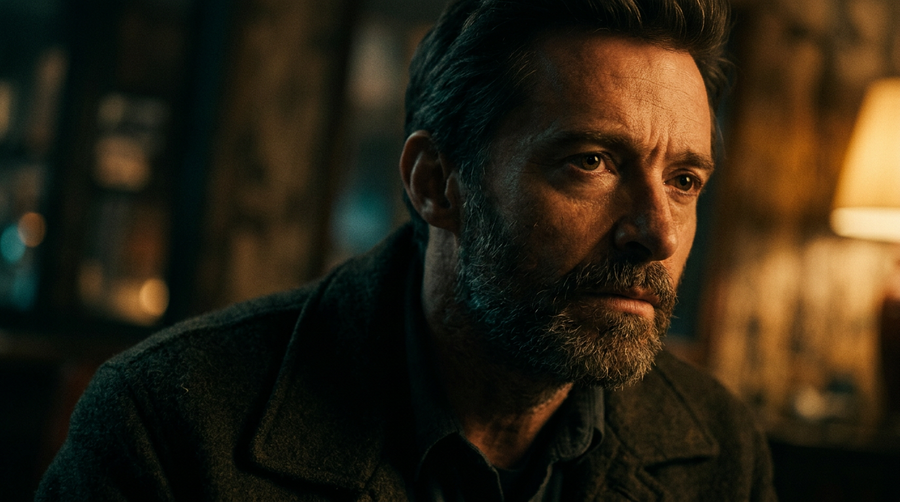
Despite the name, the Dutch angle has nothing to do with the Netherlands. The most likely etymology traces to the German word Deutsch, meaning German — the technique was associated with German Expressionist cinema of the 1920s, where heavily stylized visuals, including distorted angles and extreme shadows, were used to externalize psychological states on screen. The term "Dutch" was a common English corruption of "Deutsch" in that era, and the name stuck.
German Expressionism used the canted angle as part of a broader visual language for paranoia, madness, and moral corruption — and the technique carried those associations into Hollywood, where it became shorthand for psychological disturbance of almost any kind.
Why it works
The Dutch angle works because a level horizon is the default state of visual stability. Everything we see with our own eyes sits on a level frame of reference; a tilted world is physically wrong, and we feel it. When a director tilts the camera, they're borrowing that physical wrongness and applying it to the story: the world the character inhabits is unstable, threatening, distorted, or broken.
It works on an instinctive level before the audience consciously registers it. The discomfort arrives before the interpretation — which is exactly what a compositional choice should do.
When to use a Dutch angle
A Dutch angle earns its place when the visual instability it creates matches the emotional or narrative instability of the moment.
Psychological tension. A character who is losing their grip on reality, descending into paranoia, or confronting something genuinely threatening is a natural candidate for a Dutch angle. The tilted world externalizes the interior state.
Villain introductions. Because the technique signals moral corruption so directly, it's been widely used to introduce antagonists — a choice that tells the audience something is wrong with this person before they've done anything to prove it.
Horror and dread. In horror specifically, a Dutch angle creates unease in a scene that hasn't yet revealed its threat, building tension without showing anything explicitly.
Deliberate disorientation. In action sequences, fast intercutting with Dutch angles can amplify confusion and chaos — useful for fight scenes or moments of sudden upheaval.
When not to use it
The Dutch angle is one of the most abused techniques in filmmaking, because it's easy to execute and immediately legible as "expressive." The mistake is using it decoratively — tilting the camera because a shot feels visually boring rather than because the story is calling for instability. A Dutch angle used without narrative justification doesn't create tension; it creates visual noise that makes the audience vaguely aware that someone tried hard.
The rule of thumb: if you can explain, in one sentence, why this specific moment calls for a tilted world, use it. If the answer is "it looks cool," reconsider.
How it works alongside other camera choices
A Dutch angle is almost always more effective when it's exceptional rather than constant. A film that opens with level framing and introduces a Dutch angle at a specific moment of psychological rupture uses the contrast to amplify the effect. A film where the Dutch angle appears so often it becomes wallpaper loses the tool's meaning entirely.
It also works in dialogue with other choices: a slight Dutch angle paired with a close-up and low-key lighting compounds the unease from multiple directions, while the same Dutch angle in a brightly lit, wide composition fights itself.
How camera angles get called in AI filmmaking
Every camera angle is, at bottom, a decision about what the audience should feel at this moment — and the Dutch angle is among the most legible of those decisions. A director says "this should feel paranoid," not "tilt the camera seventeen degrees" — the angle is the technical expression of the emotional intent.
That's how shot composition works in Induce. Because Induce reads a script and understands what each scene is trying to do emotionally, a virtual director of photography can compose from the scene's intent — reaching for a Dutch angle where the script signals psychological disturbance, holding the frame level where stability is the point. And when you want direct control on a specific shot — this scene, this moment, this exact tilt — you override it locally, without re-rolling the cut around it. The grammar of camera language doesn't change. The decision to use a Dutch angle is still a creative one. What changes is who executes it.
What is a Dutch angle?
+A camera shot in which the camera is tilted sideways on its axis, so the horizon line runs diagonally through the frame, creating visual instability and a sense of unease or psychological tension.
Why is it called a Dutch angle?
+Most likely a corruption of "Deutsch" (German) — the technique was associated with German Expressionist cinema of the 1920s, which used distorted visuals to externalize psychological states.
When should you use a Dutch angle?
+When the visual instability matches the narrative or psychological instability of the moment — paranoia, villainy, horror, dread, disorientation. Not as decoration.
What's the difference between a Dutch angle and a canted angle?
+They're the same thing — "Dutch tilt" and "canted angle" are alternative names for the same technique.
Is a Dutch angle overused?
+Frequently, yes. Its legibility makes it an easy reach, and it loses its meaning when used decoratively rather than with narrative justification.
Related posts

What Is a Synopsis? How to Write One That Works
A synopsis is not a summary — it is a sales document that proves your story works. Here is what it must include and how to write one that gets read.
By Ranga Nikhilesh
What Is a Smash Cut? Definition & Examples
A smash cut is an abrupt edit that cuts mid-action to a completely different scene for deliberate effect. Here is how it works and the best examples.
By Ranga Nikhilesh
What Is a Foil in Literature? Definition & Examples
A foil is a character who contrasts with another to reveal qualities neither could show alone. Here is the definition, how it works, and the best examples.
By Ranga Nikhilesh